
Villas
Where to live on Phuket: north, south, and the biggest mistake
An honest comparison of the island's two halves — vibe, schools, traffic, and community. From a concierge who's lived on Phuket since 2019.
K. · updated June 2026 · ~7 min
Short answer
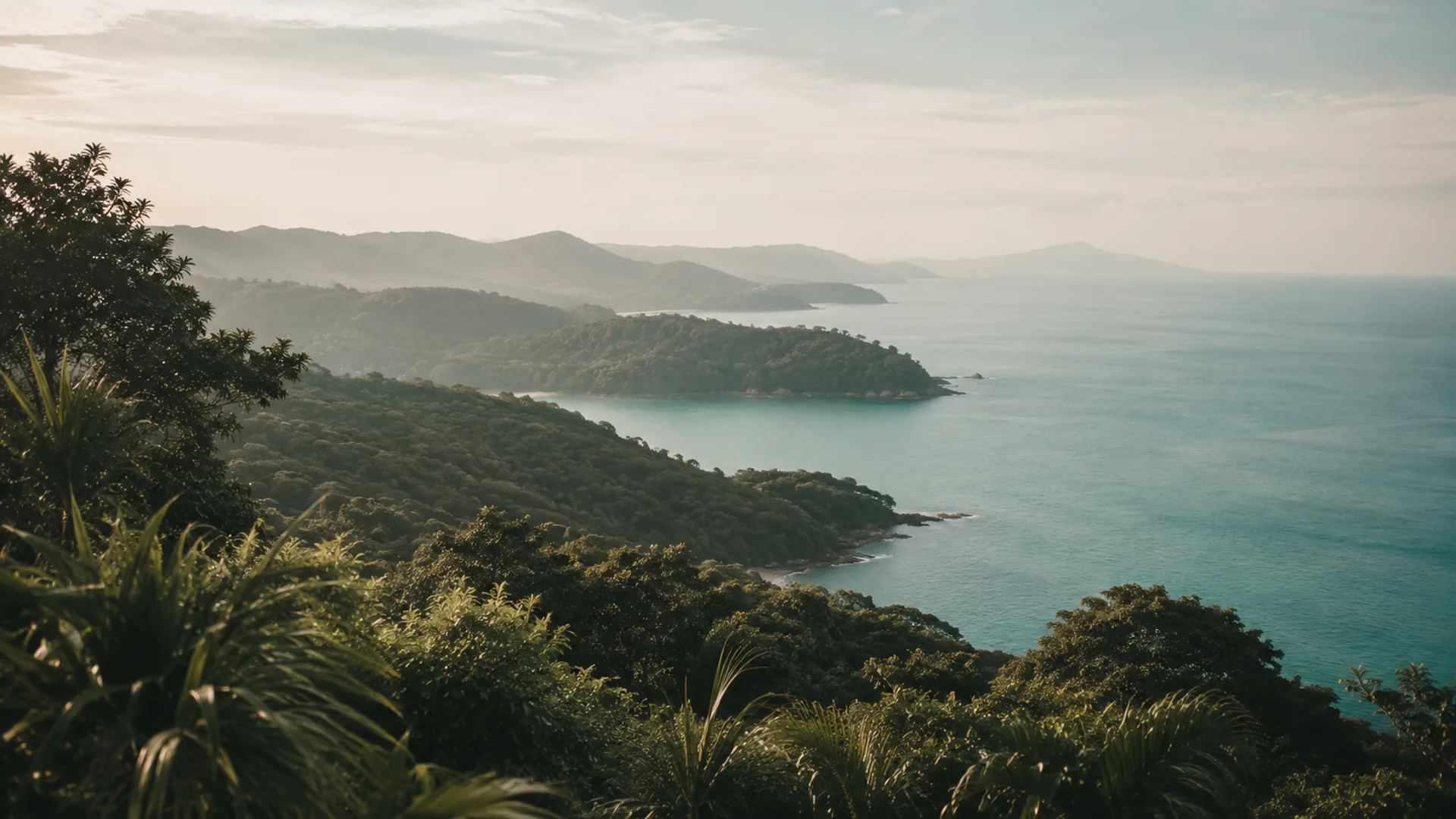
You choose a Phuket area not by a villa's photos but by how you'll live each day. The north (Bang Tao, Surin, Laguna, Layan) is lively, with restaurants, sport, and events nearby. The south (Nai Harn, Rawai, Chalong, Kata, Cape Panwa) is calmer and greener, with a tight-knit community. Families should start from the school, then pick a home 15–20 minutes away — there's no universal "best area."
Where do you start when choosing an area on Phuket?
With honest scouting. Phuket looks small: the areas sit close together and the distances look short on a map. But living in them is a very different experience. Some places are busy and lively with everything nearby. Others are quiet and green, but you drive for a lot of things.
The best way to choose is to come and stay — a few days in one place, a few in another. Drive the roads morning, midday, and evening. See where the school, gym, sea, shops, cafés, kids' activities, and healthcare are. If you're moving with children, the starting point is the school: pick the right international school first, then a home 15–20 minutes of real driving away.
North or south Phuket — what's the difference?
You can loosely split the island into two parts: north and south. Neither is better — they're simply for different people.
| North: Bang Tao, Surin, Laguna, Layan | South: Nai Harn, Rawai, Chalong, Kata, Cape Panwa | |
|---|---|---|
| Pace | Livelier, more events | Calmer, more measured |
| Restaurants and sport | Strong choice, higher end | Everything you need, but simpler |
| Green and air | Less of a nature feel | More greenery and space |
| Expat community | Active, lots of events | Tight-knit, lots of interest-based meetups |
| Traffic in season | Busier | Usually calmer |
| Beauty and services | Many strong salons and specialists | A choice, but smaller |
| Who it suits | People who like buzz, restaurants, sport, events | People who value quiet, green, and a measured life |
Personally I lean south: calmer, greener, less fuss and less traffic in season. I came here as a tourist and stayed as an expat. But for clients I match the area to their rhythm, not to my taste.
The northern areas: who are they for?
The north is about energy, infrastructure, and convenience. It's for people who want restaurants, a gym, yoga, a salon, a school, shops, and events all nearby.
Bang Tao — the hub of northern life: restaurants, shops, sport, community, events. A good fit for active families, remote workers, and anyone who doesn't want to be bored.
Surin — a more upmarket, calmer stretch of coast next to Bang Tao. For those who want to be near the infrastructure without living in the middle of the buzz.
Laguna — a gated, well-kept cluster with services, villas, residences, and a clear environment. Handy for families, especially early in the move.
Layan — quieter and greener. For those who want more nature and privacy but still close to Bang Tao.
The southern areas: who are they for?
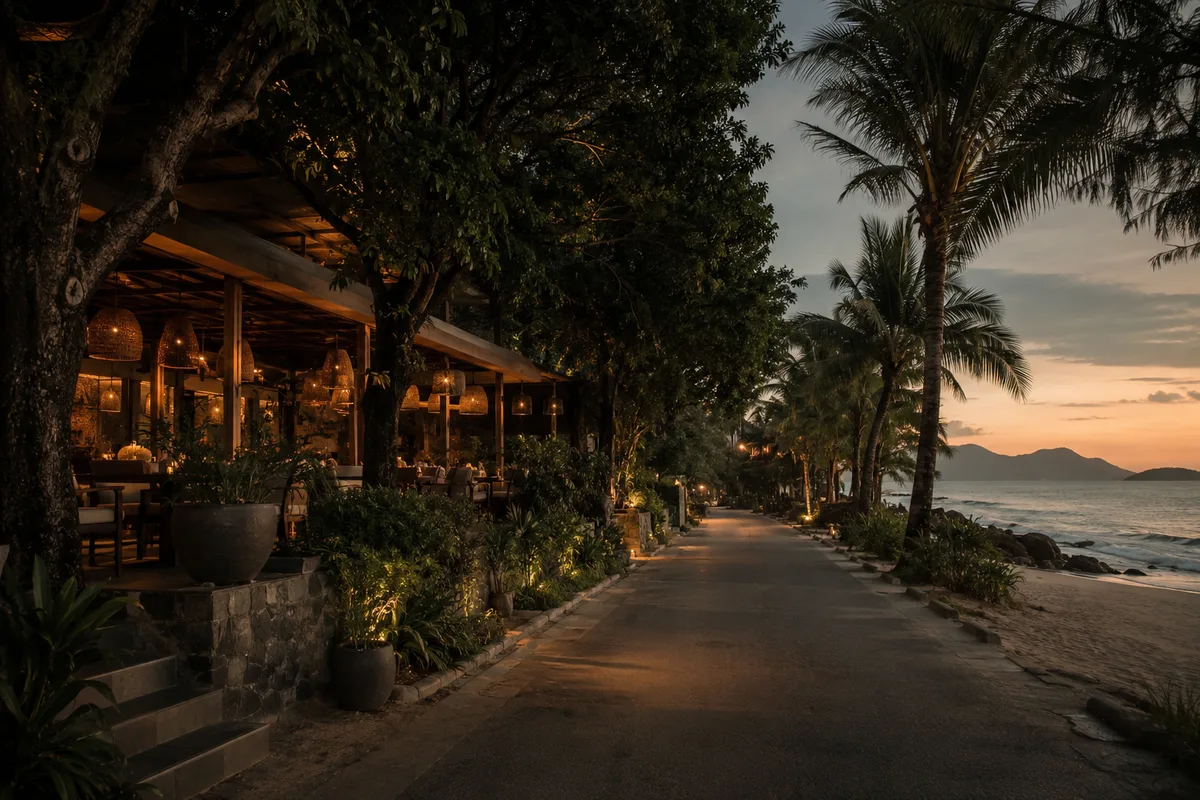
The south is about calm, greenery, and a more homely rhythm. There are lots of expats, families, and people who live on Phuket not as tourists but as home.
Nai Harn — a beach, a lake, greenery, walks, sport, and a calm feel. One of the favorite areas for expat families.
Rawai — sea, piers, the fish market, cafés, local life, and a strong community. Good for families and long stays.
Chalong — the practical junction of the south. From here it's easy to reach different parts: schools, the pier, gyms, Phuket Town, Nai Harn, and Rawai.
Kata — a beach and more touristy area. For those who want to live near the sea and the buzz, though it can be noisy for a long, quiet life.
Cape Panwa — a quiet peninsula slightly apart. For those who want seclusion, nature, and less fuss.
Where should a family with kids live?
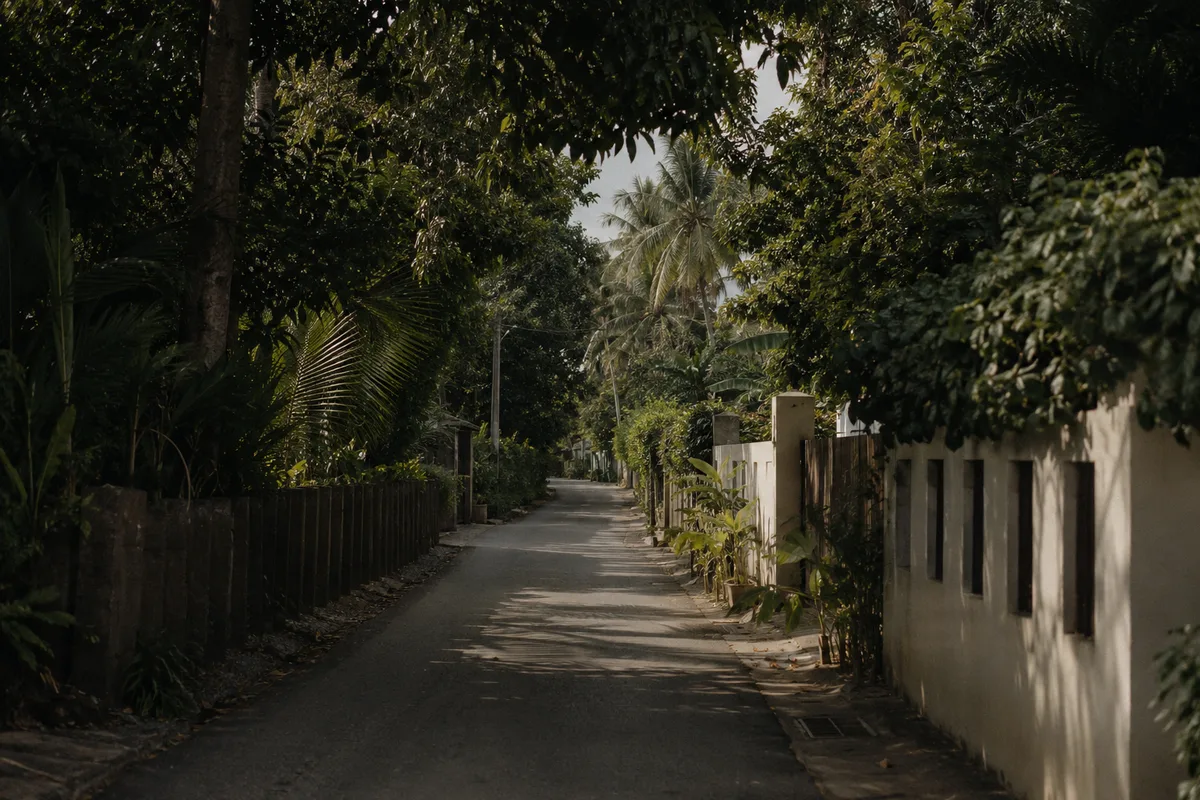
For a family, choose the area from the school. There are international schools in both the north and the south, but the point isn't just to "find a school on Phuket" — it's to understand which program suits your child, where it is, and how long the drive really takes.
My advice is to live 15–20 minutes from the school. Even with a school transfer, being close matters: the child tires less and spends more time at home, at sport, with friends, or in extra classes. It's one of the few things where I'd tell you not to save on distance. Better a slightly simpler villa nearer the school than a beautiful house where every day starts with a long drive. We'll help you find a home near the school — see villas and neighborhoods.
The biggest mistake when choosing an area
The biggest mistake is choosing by photos, descriptions, or the advice of friends who came to Phuket as tourists. Tourist Phuket and living Phuket are different islands.
One person needs it green and quiet. Another wants restaurants, bars, sport, and events nearby. A third wants a 10-minute school run. There's no universal "best area." So the right path isn't to guess but to compare: live there, drive the roads, look at the infrastructure, feel the area morning and evening.
How much is rent by area?
There's honestly no single price by area: every area has simpler homes and premium ones. The price depends not only on location but on the specific brief: villa or condo; number of bedrooms; a pool; the view; how close to the sea; a residence or a standalone house; the season; the rental term; the condition of the property; whether the garden, pool, cleaning, and internet are included.
We work out the budget for the task: who's coming, for how long, with or without kids, whether you need a beach, a school, quiet, sport, a driver, a villa, or apartments.
How does K. choose the area?
We start not with properties but with your life scenario. We look at who's coming, for how long, whether there are kids, which school you need, which rhythm suits you (quiet or activity), whether you want sport, sea, restaurants, community, your budget, and whether you need a driver or a rental car.
Then we suggest two or three areas that genuinely fit, explain the difference, and help with a safe rental: we check the property, the terms, the deposit, the owner, and the contract. It's part of a full turnkey move — see moving to Phuket.
A real example
A young family arrived on Phuket and first settled in the south. The area was calm, green, and good for an unhurried life. But after a while they grew restless — they wanted more activity, more people, events, and evenings out.
We moved them closer to Bang Tao, and everything fell into place. They lived in apartments, worked remotely, and in the evenings went into town: restaurants, business breakfasts, meetups, Russian-language film screenings, new friends. Same island, different area — a completely different quality of life.
Frequently asked questions
Which Phuket area is best for a family with kids?
The one near the right school. Choose the school first, then a home 15–20 minutes of real driving away.
Where is it calmer to live on Phuket?
People usually choose Nai Harn, Rawai, Layan, or Cape Panwa. But quiet depends not only on the area, but on the specific street, neighbors, and any building work nearby.
Where is there more activity and infrastructure?
Bang Tao, Laguna, and Surin. More restaurants, gyms, salons, events, and an active community.
Can you choose an area remotely?
You can draw up a shortlist, but the final decision is better made after viewing. Photos won't show the traffic, noise, the commute, neighbors, or the real feel of an area.
Tell us about your area
Don't pick an area from pretty photos or chat-group advice. Message K. on WhatsApp: who's coming, for how long, with or without kids, the rhythm you want, and your rental budget. We'll suggest two or three areas that fit you and help you find a home without the risks.