
Relocation
Visa run from Phuket: when you need a border run, how it differs from an extension, and how to avoid trouble at the border
Border run, stamp extension, and overstays — what to choose and what to avoid. From a concierge who's lived on Phuket since 2019.
K. · updated June 2026 · ~6 min
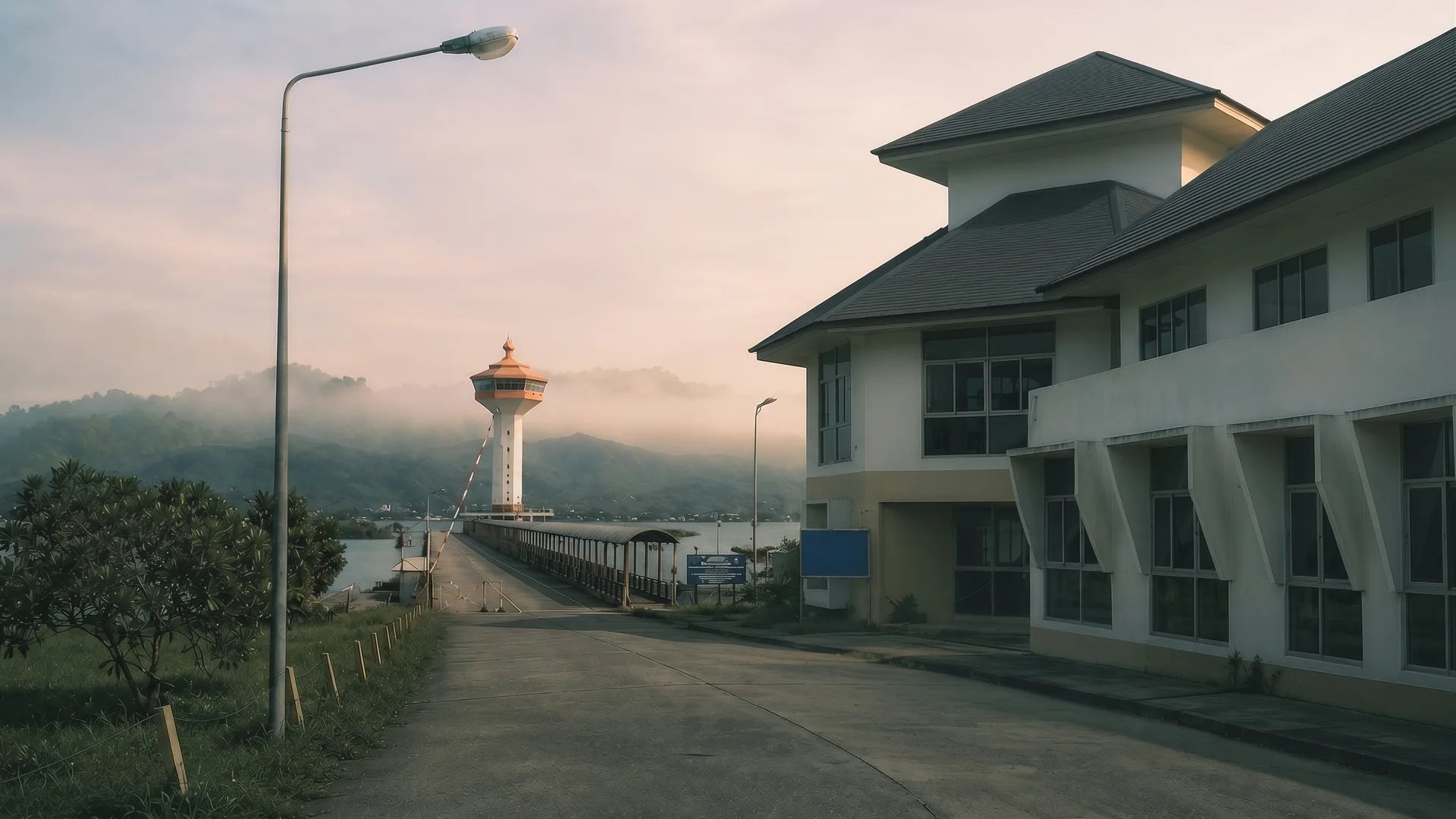
Short answer
A visa run (border run) is a short trip to the border and back for a fresh entry stamp. It's a temporary tool, not a strategy — for when you've just arrived and haven't chosen a visa yet. Land entries under visa exemption are capped at two a year and can't be extended. Check your passport, entry history, TDAC, and documents before the trip. The final call rests with immigration — we prepare the process so it goes smoothly.
What is a visa run, and why do people do it?
A visa run (border run) is a trip to the Thai border and back. You leave the country, pass through border control, and on return you get a fresh entry stamp if immigration lets you in. It's a way to buy time: to stay on Phuket a little longer, calmly choose an area, a school, and housing, get a feel for the island, and decide whether you need a long-term visa.
But it matters: a border run doesn't "extend" your current stamp. Extensions happen at an immigration office inside Thailand; a border run is a new entry after you leave the country.
How often can you do a visa run?
Don't treat a border run as an endless workaround. For visa-exemption entries by land and sea, there's a limit: up to two such entries per calendar year. And even when you can still enter on paper, the officer at the border looks at your whole history: how many times you've entered, how long you've lived in Thailand, any overstays, and whether the tourist regime is being used as permanent residence.
So the safe logic is this: one border run is a normal temporary tool; two is already a reason to think about a visa strategy; after several entries in a row, don't drag it out — pick a visa for your case (ED, DTV, retirement, business, or another path).
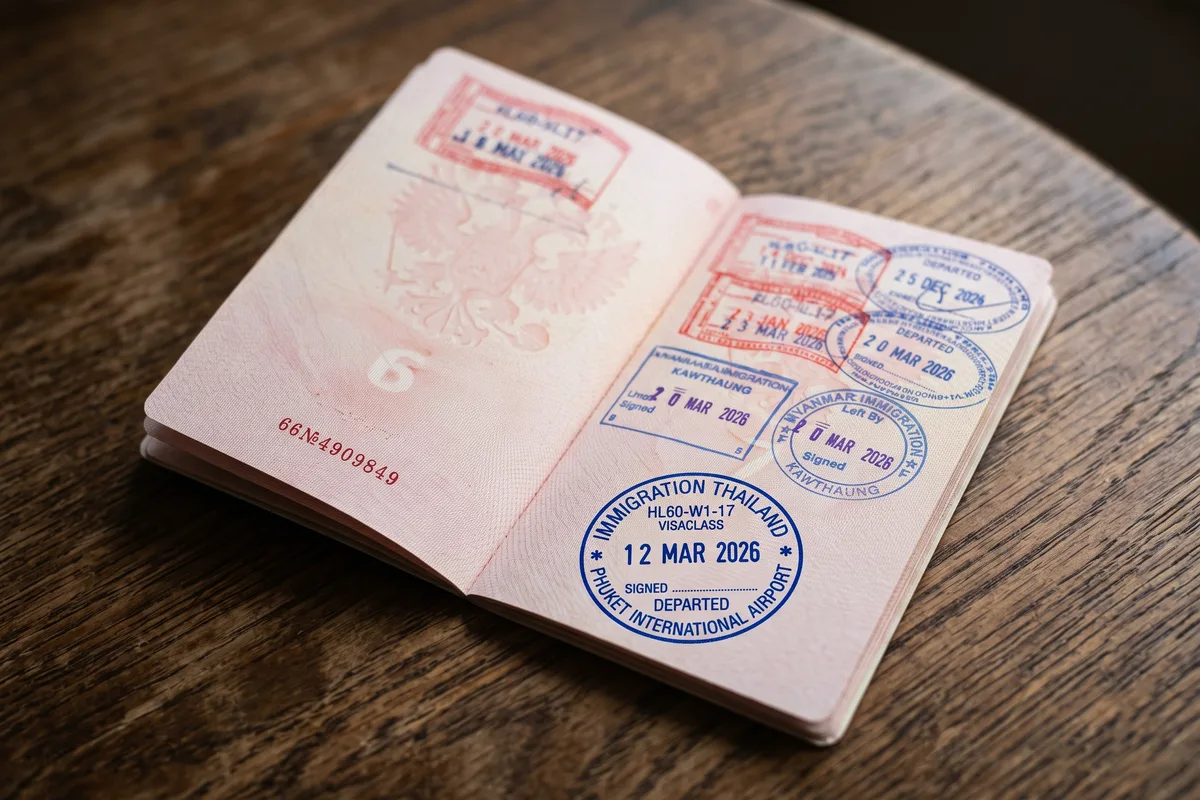
Visa run or extension: which one?
They're two different routes. Sometimes an extension is easier, with no day lost on the road. Sometimes you specifically need a border run, because you need a new entry stamp.
| Question | Stamp extension on Phuket | Border run to Ranong |
|---|---|---|
| Where | Phuket immigration office | The Thai–Myanmar border via Ranong |
| What you get | Usually +30 days on your current stamp | A new entry stamp on re-entry |
| Government fee | ฿1,900 | Visa/border fee included in the package |
| Time | A visit at your scheduled slot | About 11 hours round trip |
| Best for | People who just need to extend | People who need a fresh entry |
Important nuance: an extension applies if you entered through the airport (the 60-day air stamp). If you entered by land under visa exemption, that entry can't be extended — then it's a border run or moving to a visa.
For an extension, K. prepares documents ahead, checks the package, and accompanies the process; all you do is turn up at your slot and collect the extension in person. Support is priced on request.
Ranong border run with K.: the route and the formats
From Phuket, people usually weigh Ranong against Malaysia. We work with Ranong (the Myanmar border): the round trip is about 11 hours versus a longer route to Malaysia. It's still a full day on the road, but it goes far more calmly when the transport and documents are organized properly.

K. offers two formats — we don't force everyone into one product:
1. Standard group border run in a Toyota Commuter. A practical option if you're happy to travel in a group, your documents are clean, your case is standard, and the goal is simply to get out, cross the border, and come back without paying for a private car. It usually includes a seat on the group trip, the Toyota Commuter, a driver, fuel, route organization, a document pre-check, help with TDAC, and a pre-trip briefing. Priced on request, depending on the date, group, and route.
2. Private border run in a 2025 Toyota Alphard. For people traveling as a family or small group who want a private car, a language-speaking assistant, and turnkey comfort.
| What's included | Standard Private | Premium Private |
|---|---|---|
| 2025 Toyota Alphard + driver | ✓ | ✓ |
| Fuel | ✓ | ✓ |
| Visa/border fee | ✓ | ✓ |
| TDAC | ✓ | ✓ |
| Document pre-check | ✓ | ✓ |
| Personal assistant, full support | — | ✓ |
| Lunch | — | ✓ |
| Capacity | up to 5 people | up to 4 people |
| Extra person | +฿3,000 | +฿3,000 |
| Price (per person) | ฿23,000 | ฿32,000 |
People pick Standard Private when they want a comfortable private car without an assistant. Premium Private is for when turnkey support matters: the assistant guides you on the route, explains the process, and takes the stress out of the border.
Can you be turned back at the border?
Yes, in theory you can — I'll be straight about it. Even with documents in order, the final decision always sits with immigration at the border. It can be affected by frequent entries and exits, an overstay in your history, too long a stay without a long-term visa, no clear purpose for the trip, document errors, TDAC problems, or mismatches between your passport, visa, and migration history.
What K. does: we check your documents and history in advance, explain the risks, and won't send someone on a trip if the case looks shaky. We don't "guarantee a stamp" — that would be dishonest. We guarantee preparation, support, and a clean process.
What is TDAC, and why does it matter for a border run?
TDAC (Thailand Digital Arrival Card) is the electronic arrival card for entering Thailand. Since 1 May 2025, all foreigners arriving by air, land, or sea must file the TDAC online before entry; it's free, and you submit it at least three days before arrival. For a border run it matters twice over: you exit and re-enter, so the TDAC has to be filed correctly. With K., the TDAC is part of the prep — we check the data, file the card, and make sure a technical error doesn't cause questions at the border.
When does a border run make sense, and when is it time for a visa?
A border run is good when you've just arrived and haven't made a long-term decision: you want three or four months, you're choosing an area and a school, looking at housing, testing island life, waiting on documents for a visa, or not ready for a complex visa process yet.
But once you know you're staying, don't turn the border run into a habit. After one or two trips, move to a visa strategy: DTV, ED, retirement, business, or another option for your case. That's the point where "stay a while" becomes "I want to settle here," and the task is no longer to drive to the border each time but to arrange a clear status calmly. More on moving to Phuket.
What if you've already overstayed?
An overstay is going past your permitted stay. It's a violation: a fine, a mark on your record, and possible trouble on future entries. The best move is not to let it happen — check your stamp date, don't wait for the last day, and decide ahead what's next: an extension, a border run, or a visa. If an overstay has already happened, close it officially: pay the fine, prepare the documents, and don't try to sort it "somehow on the spot."
From K.'s work: a client had overstayed and, at the same time, had lost the electronic DTV visa she needed to show at the border. We helped restore the visa details, prepare the documents, pay the overstay fine officially, and complete the border run with support. She got a new stamp — without the panic and chaos.
What does working with K. include?
K. is a private concierge on Phuket. On the visa side we help with stamp extensions, border runs, and moving to a long-term visa. We check your passport and current stamp; review your migration history and risks; explain what's better in your case, an extension or a border run; prepare documents ahead; file the TDAC; arrange transport; choose the format (group Commuter, private Alphard, premium support); add a Russian- or English-speaking assistant if needed; and after the trip help you pick a long-term visa path.
We don't promise what depends on immigration. We're responsible for the preparation, the route, the support, and an honest read on the risks.
Frequently asked questions
Are border run and visa run the same thing?
In everyday speech, often yes. It's more precise to say border run when you mean a short trip to the border and back for a new entry stamp.
Can you do a border run every month?
We don't recommend it. Under visa exemption by land it's two entries a year, and frequent entries raise questions with immigration. A border run is a temporary fix, not a way to live in Thailand for years without a visa.
Which is better: an extension or a border run?
If you can extend at the office (you entered by air), that's often easier. If you need a fresh entry stamp, or your entry was by land, a border run is the route.
How long is the border run from Phuket to Ranong?
Usually about 11 hours round trip — a full day on the road, so transport and organization make a big difference to comfort.
Does K. only do a premium border run?
No. There are standard group trips in a Toyota Commuter and private trips in a 2025 Toyota Alphard (Standard Private ฿23,000, Premium Private ฿32,000). We match the format to your budget, group, and case.
Does K. guarantee a new stamp?
No. The decision always rests with immigration. K. guarantees preparation, a document check, support, and an honest read on the risks before the trip.
Let's check your stamp
Don't wait for the last day of your stamp. Message K. on WhatsApp: send your entry date, a photo of your current stamp, your passport details, and a short description of your situation. We'll tell you what's safer in your case: an extension, a border run, or moving to a long-term visa.